Best Welding Respirators and Fume Extractors for 2026
Best Welding Respirators and Fume Extractors for 2026
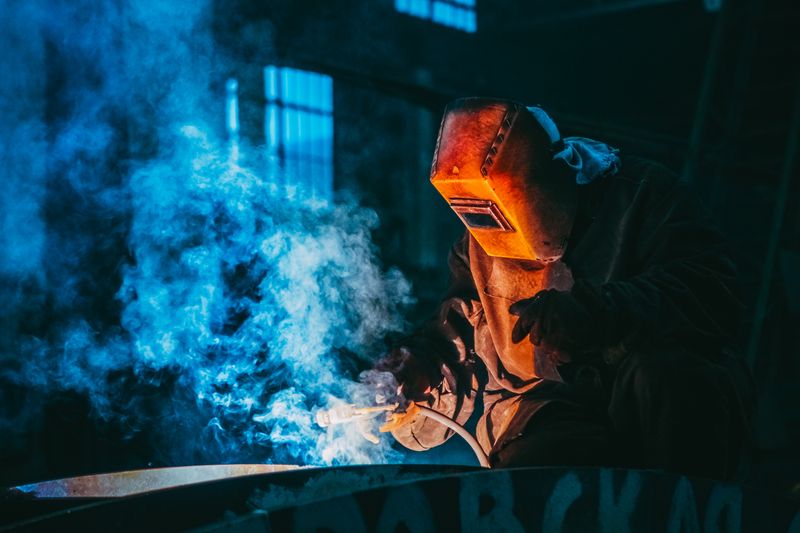
Welding fumes are easy to ignore until you spend a long afternoon leaning over a smoky weld and feel the headache, metallic taste, or tight chest afterward. The visible smoke is only part of the problem. The fine metal particles in that plume can include iron oxide, manganese, zinc oxide, nickel, chromium compounds, and whatever coating was on the base metal.
The right welding respirator does not replace ventilation, clean base metal, or good work positioning. It is the last layer of defense when the fume plume cannot be fully controlled. This guide explains what to buy, when to step up from a half-mask respirator to a PAPR, and how to pair respiratory protection with a portable fume extractor.
Quick Picks
| Need | Best Option | Why It Works |
|---|---|---|
| General MIG, TIG, and stick welding | P100 half-mask respirator | Low cost, reusable, fits under many helmets |
| Tight helmet clearance | Low-profile welding respirator | Better fit under auto-darkening hoods |
| Stainless or galvanized work | P100 half-mask plus local exhaust | Captures particulates while ventilation removes the plume |
| Long shop shifts | PAPR welding helmet | Positive airflow, better comfort, integrated face and eye protection |
| Indoor fabrication | Portable fume extractor | Captures fumes at the source before they reach your breathing zone |
What Welding Respirator Do You Actually Need?
For most welders, the starting point is a NIOSH-approved half-mask respirator with P100 particulate filters. P100 filters are rated to remove at least 99.97% of airborne particles and are strongly resistant to oil aerosols. That makes them a practical choice for metal fumes created by welding, grinding, and cutting.
A basic dust mask is not enough. Many disposable masks leak around the face, interfere with a welding hood, and are not built for repeated shop use. A reusable elastomeric half-mask seals better, accepts replaceable cartridges, and handles sweat and heat better than a disposable filtering facepiece.
Look for:
- NIOSH approval marked on the mask and filters
- P100 filters for welding particulate fumes
- Low-profile cartridges that fit under your helmet
- Replaceable straps and valves
- Multiple sizes so you can get a real seal
Good starting points include the 3M 6500QL half-face respirator, 3M 2097 P100 filters, Miller LPR-100 welding respirator, and GVS Elipse P100 respirator.
P100 vs. N95 vs. Organic Vapor Cartridges
Respirator filters are easy to mix up because welding fumes are not one simple contaminant. P100 filters are the best default for fine metal particles from welding, grinding, and cutting. N95 filters are common and inexpensive, but they filter less efficiently and are not as durable for repeated welding use.
Organic vapor cartridges are for vapors from solvents, paints, and some chemicals. They do not automatically make a respirator better for metal fumes unless they are combined with P100 particulate filtration. If you are welding painted, oily, coated, or unknown material, identify the coating first.
The safest buying shortcut: choose a P100 welding respirator for normal metal fume protection, and use specialty combination cartridges only when the hazard has been identified.
When a Half-Mask Is Enough
A P100 half-mask is a reasonable setup for hobby MIG welding in an open garage, TIG welding clean metal with local exhaust, outdoor stick welding, grinding, and short repairs where a fume extractor is close to the arc.
Fit matters more than brand. If the mask leaks around your nose or cheeks, the filter rating does not help. Facial hair under the sealing surface prevents a proper seal, so a tight-fitting half-mask is not reliable over a beard.
For workplace use, OSHA’s respiratory protection rules require a proper program when respirators are required: medical evaluation, fit testing, training, cartridge change procedures, and maintenance. Home welders are not under the same employer rule, but the physics of leakage and bad fit are the same.
When to Upgrade to a PAPR
A powered air-purifying respirator, or PAPR, uses a battery-powered blower to pull air through filters and deliver it into a hood or helmet. For welders, that usually means a welding helmet connected to a belt-mounted blower.
Upgrade to a PAPR when:
- You weld for hours at a time
- You frequently weld stainless steel, galvanized steel, or high-fume flux-core
- A half-mask is uncomfortable under your hood
- You need eye, face, and respiratory protection in one system
- You cannot get a reliable half-mask seal
PAPRs cost much more than half-mask respirators, but they solve real problems. Breathing resistance is lower, lens fogging is reduced, and the airflow makes hot shop work more tolerable.
Popular options to compare include 3M Speedglas PAPR welding helmets, Miller PAPR welding helmets, Lincoln Viking PAPR systems, and YesWelder PAPR welding helmets.
Why Fume Extractors Still Matter
A respirator protects the person wearing it. A fume extractor protects the breathing zone and the rest of the shop by capturing the plume close to the arc before it spreads.
For small shops, the most practical setup is a portable extractor with a flexible arm or magnetic nozzle. Position the hood close enough to capture the plume without pulling away shielding gas. A good starting distance is usually 6 to 8 inches from the arc.
Search for:
- portable welding fume extractor
- welding fume extractor with HEPA filter
- magnetic fume extraction nozzle
- soldering and light welding fume extractor
Do not aim a strong fan directly across a MIG or TIG weld. It can blow away shielding gas and create porosity. The goal is controlled capture, not random air movement.
Match Protection to the Metal
Different base metals and coatings change the fume hazard.
| Material or Process | Main Concern | Better Protection |
|---|---|---|
| Clean mild steel | Iron oxide and manganese | Ventilation plus P100 respirator |
| Stainless steel | Hexavalent chromium and nickel compounds | Local exhaust plus P100 or PAPR |
| Galvanized steel | Zinc oxide and metal fume fever | Remove coating, use extraction, wear P100 |
| Flux-core welding | Higher fume volume | Extraction plus respirator or PAPR |
| Painted or unknown metal | Coating decomposition products | Identify coating before welding |
| Confined spaces | Oxygen deficiency and concentrated fumes | Supplied-air procedure, not a simple half-mask |
The big takeaway: a P100 respirator is for particles, not every possible gas or oxygen hazard. Confined-space welding requires atmospheric testing, ventilation, rescue planning, and often supplied-air respiratory protection.
Fit and Maintenance Checklist
The best respirator in the world fails if it is dirty, cracked, or worn loose. Use this routine:
- Inspect the face seal for cuts, warping, and embedded grit.
- Check straps for stretch, brittleness, or slipping buckles.
- Install fresh filters when breathing resistance increases or the manufacturer schedule says to change them.
- Store the mask in a sealed bag or box away from grinding dust and welding spatter.
- Clean the facepiece with mild soap and warm water after sweaty use.
- Perform a seal check before every welding session.
Do not hang the respirator on the welding cart where it fills with shop dust. Keep it clean, protected, and ready before the job starts.
Recommended Setup by Welder Type
Home garage welder: Low-profile P100 half-mask, replacement filters, and airflow that moves fumes away without disturbing shielding gas.
Auto body and sheet metal welder: Slim P100 respirator plus aggressive coating removal around paint, primer, seam sealer, undercoating, and body filler.
Stainless fabricator: Local exhaust plus P100 at minimum. For frequent stainless work, a PAPR welding helmet is a serious upgrade.
Field welder: Reusable P100 respirator in a sealed case. Outdoor airflow helps, but wind shifts can still push fumes into your hood.
Small fabrication shop: Half-mask or PAPR protection plus a portable fume extractor to improve the whole work area.
Bottom Line
For most welders, the best first purchase is a NIOSH-approved P100 half-mask respirator that fits under your welding helmet. If you weld often, work indoors, or spend long hours around stainless, galvanized, or flux-core fumes, step up to a PAPR welding helmet and add local fume extraction at the bench.
Respiratory protection is not about buying the most expensive mask. It is about controlling the plume, choosing filters that match the hazard, getting a real face seal, and maintaining the equipment.
Related Articles
Start with the broader welding safety essentials guide if you are building a complete PPE kit. If your work involves coated material, read the welding galvanized steel safety guide before welding zinc-coated parts. For stainless fabrication, the welding stainless steel guide explains why chromium fumes require better controls than ordinary mild steel.

The Welder's Guide Editorial Team
Independent trade-focused editorial team